.svg)
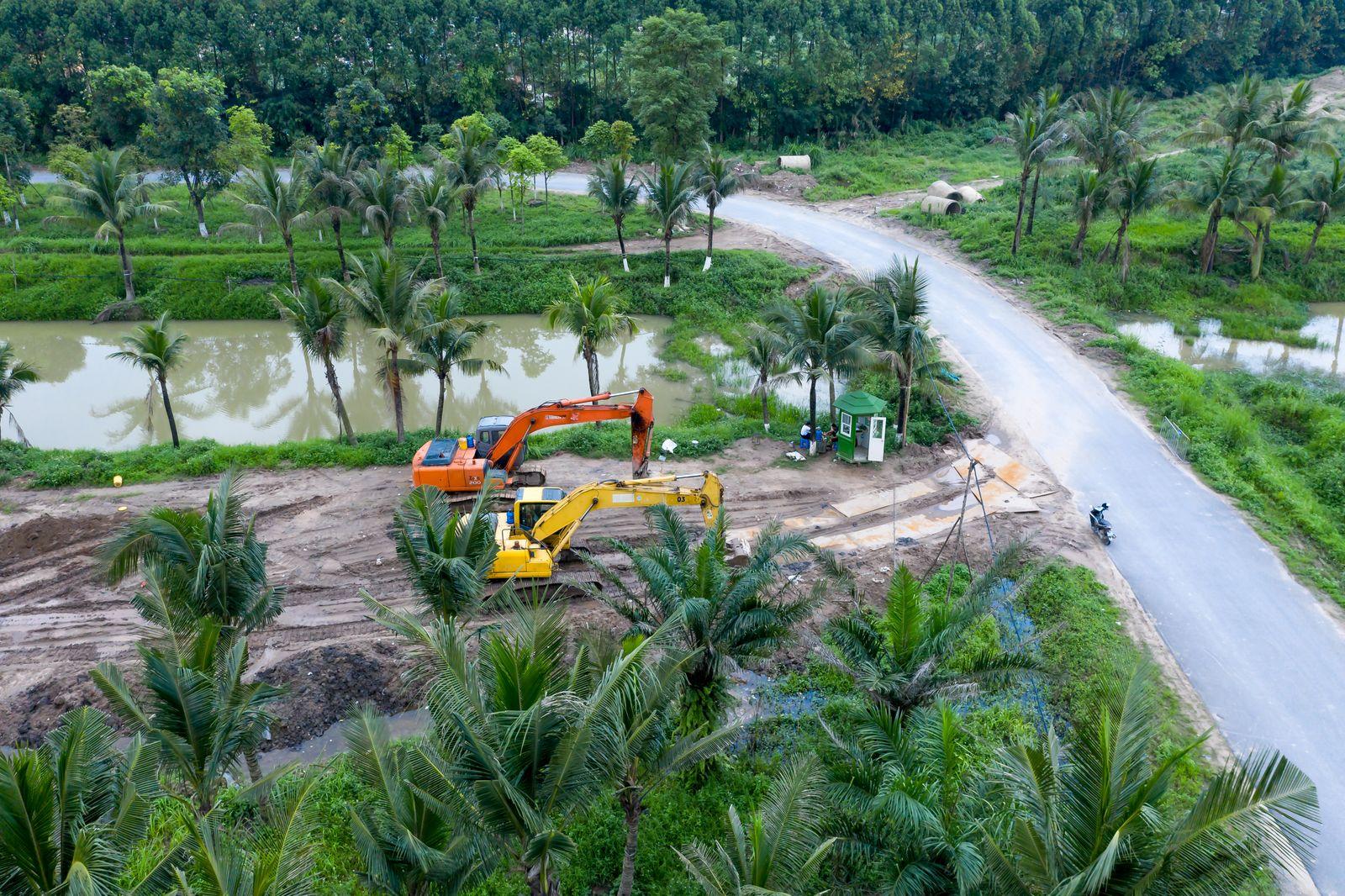
For a general contractor, a large commercial softscape package is a live-material logistics operation. It must fit within the master schedule, while completed civil work must match the approved landscape documents. If those inputs remain unresolved, adding labor alone will not protect the milestone.
At Pacific Island Landscape LLC, we approach large-scale landscaping on Oahu as a sequence of controlled work fronts. Plant material must match the approved schedule, while deliveries must match the space actually available. Irrigation readiness and finish grading also determine whether a crew can complete productive work.
Our private landscape nursery in Kapolei gives us a local source for confirmed on-hand plant material. That can reduce reliance on trans-Pacific shipments for those specific plants. Availability still depends on the approved species, specified sizes, required quantities, and project timing, so we verify material before tying it to the field schedule.
Start With a Work-Front Map, Not a Blanket Mobilization Date
The landscape start date on a master schedule may identify a contractual milestone, but it does not show which beds are ready for installation. We prefer to convert the planting limits into work fronts that can be released independently. A superintendent can then identify where civil work is complete and where landscape activity would conflict with another trade.
A usable release should address access to the planting area and the receiving grade. It should also identify whether irrigation components serving that area are ready for testing. The approved drawings must reflect current revisions. Outstanding RFIs need resolution before field layout begins. If the work front is still being used for material storage, its release date should reflect that constraint.
| Work-front control | Release question | Common field conflict |
|---|---|---|
| Drawing status | Is the crew working from the current approved information? | A late revision changes quantities or locations |
| Finish grade | Is the soil elevation ready for the specified planting build-up? | Additional grading disturbs completed planting |
| Access route | Can material reach the area without crossing protected work? | Deliveries compete with concrete or façade activity |
| Irrigation status | Can the installed zone be tested and placed into service? | Plants enter an area before water is available |
This structure makes constraints visible before they consume field time.
Lock the Plant Schedule Before Material Is Dispatched
Plant procurement should begin with the approved schedule, not a preliminary bid list. Botanical names must match the controlling documents. Size requirements and quantities must also align. If a specified plant is unavailable, the substitution path belongs in the submittal process, not at the unloading point.
For commercial softscape in Hawaii, an imported plant dependency can affect lead time because material may need to move across the Pacific. Our Kapolei nursery changes that risk only where compliant material is confirmed in local inventory. We check the requirement first. Suitable material can then be reserved when agreed, while unresolved issues go to the design team.
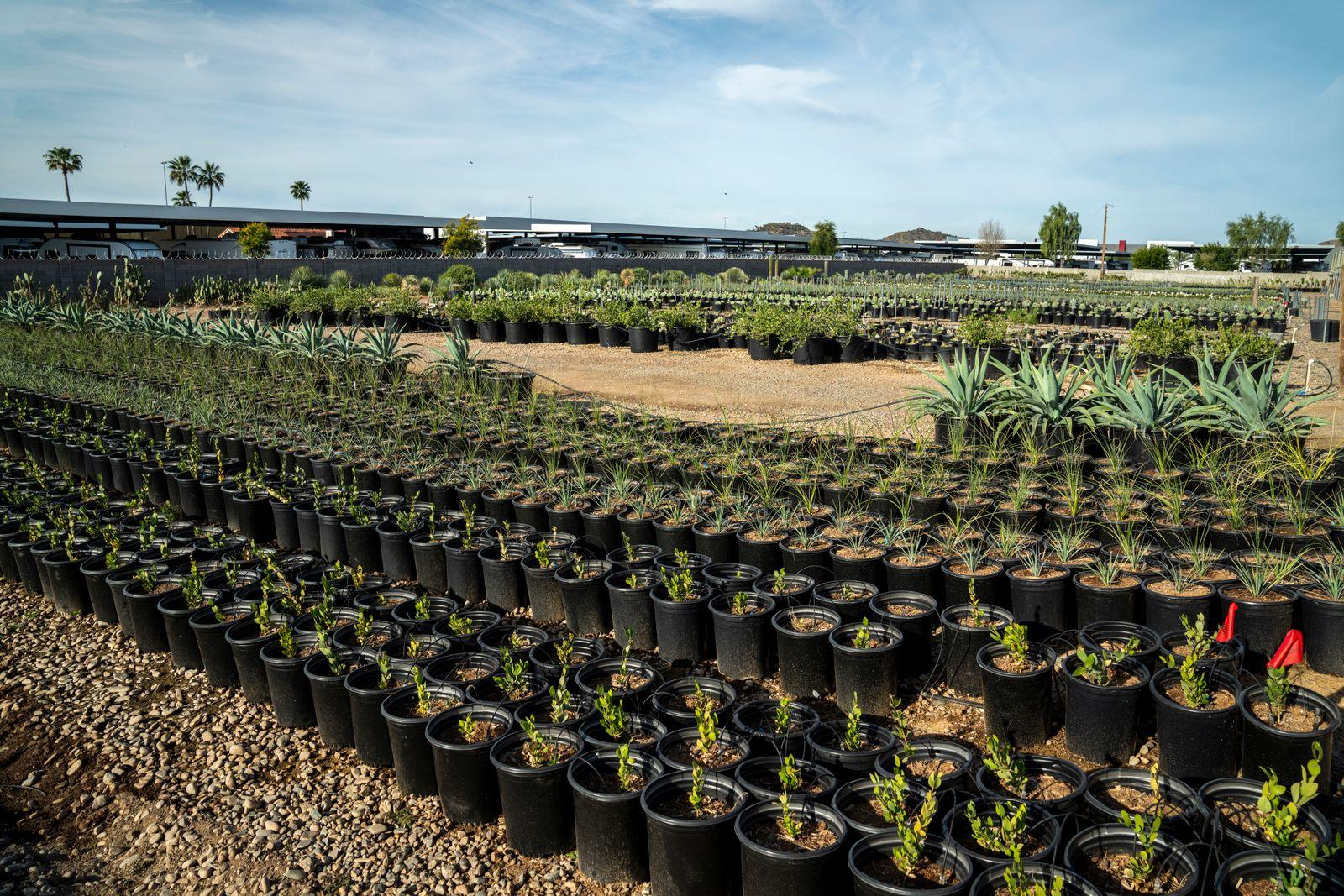
Plant confirmation should feed the short-interval schedule. Dispatching for released areas limits unnecessary handling and clarifies what each delivery supports.
Build the Delivery Plan Around Actual Site Access
A planting plan does not show whether a delivery vehicle can turn through the active gate or whether the haul path will remain open. Before mobilization, the logistics plan should identify the approved entrance and unloading location. Restricted work periods belong in the same plan. It should also account for overhead conflicts and protected surfaces.
If another trade occupies the staging zone, material should not be sent simply because it was placed on a calendar. A confirmed window is more useful than an early arrival that blocks circulation.
Material storage is also a jobsite safety issue. OSHA construction rules require passageways to remain clear. Stored material must be secured against movement or collapse. The GC's site-specific safety program controls the project, and the landscape logistics plan must work within it.
Match Crew Loading to the Released Scope
Field crew depth should be expressed as a staffing plan connected to real production conditions. Headcount by itself does not show whether the project can absorb the labor. A planting crew cannot close an area if layout is unresolved. The same limit applies if material is staged elsewhere or the irrigation zone is unavailable.
We evaluate the work by function and phase. Layout must stay ahead of installation. Material movement has to support the active front, while planting labor is loaded according to the available area. Irrigation adjustment and finish work follow at the point where they can be completed without interfering with other operations.
| Field activity | Primary planning input | Release dependency |
|---|---|---|
| Layout | Approved plan and benchmark information | Area is accessible for verification |
| Material movement | Delivery sequence and haul path | Staging point is available |
| Plant installation | Confirmed material and prepared soil | Planting limits are released |
| Irrigation adjustment | Zone information and operating water source | Installation can be tested |
| Finish work | Punch criteria and surface protection plan | Heavy trade traffic has moved out |
Where the project supports concurrent work fronts, staffing can be evaluated for parallel activity. Where it does not, the crew plan should concentrate production in the released zone. We confirm proposed staffing and work-front assumptions for the actual scope rather than promise a universal crew size.
Limit Plant Handling and Protect Root Systems
Plants are living materials, so staging conditions matter. Repeated movement increases the chance of container damage or disturbed root balls. Long site holds can also make watering responsibility harder to control. The delivery sequence should move each plant as close as practical to its installation area without obstructing the site.
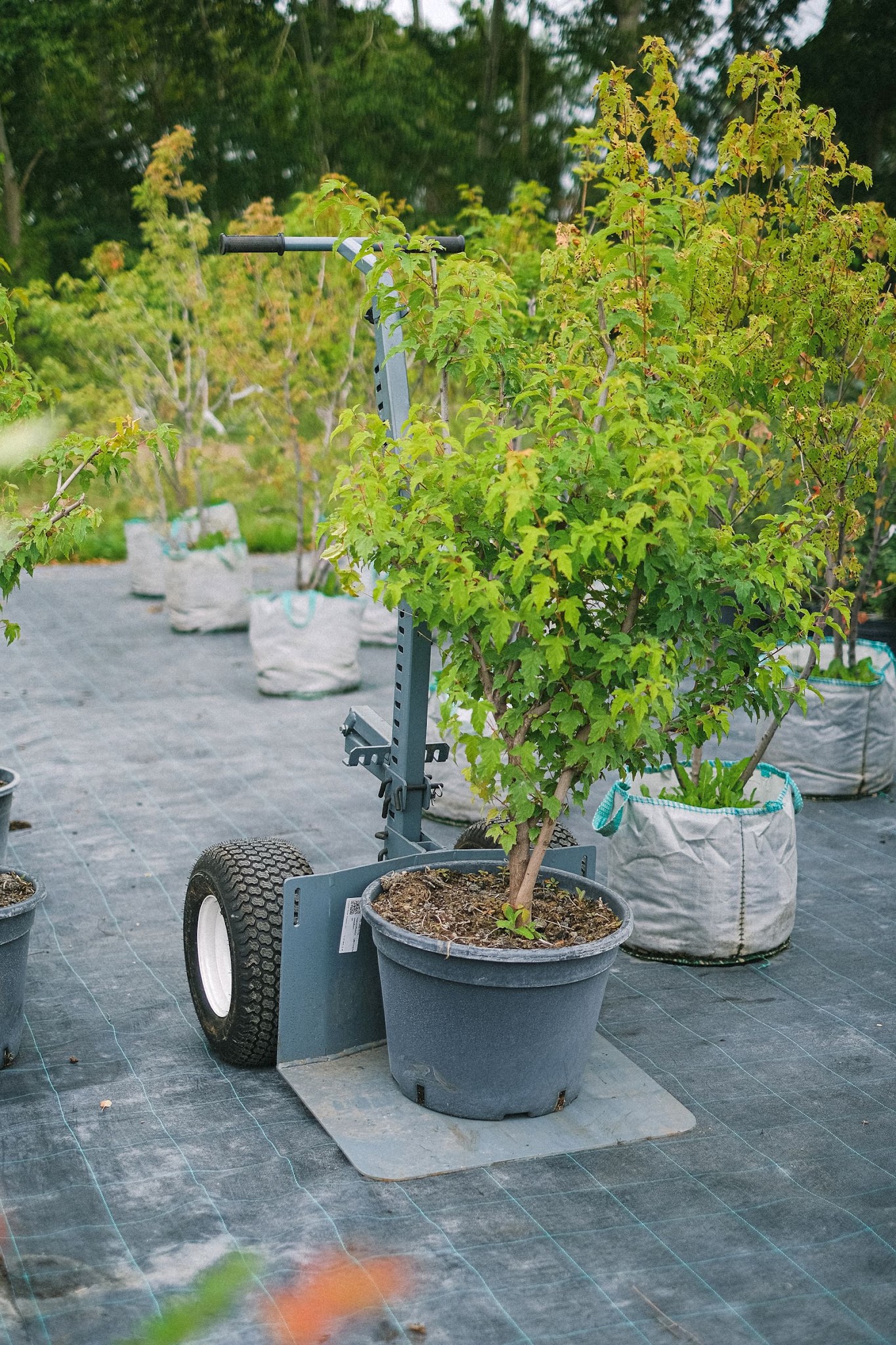
Handling methods depend on the plant size and site conditions. The contract documents may establish acceptance criteria or replacement requirements. Those terms should be understood before unloading. Any lifting method or specialized equipment must be selected by qualified parties for the actual load and access conditions.
Coordinate Soil Conditions With Civil Completion
Softscape quality depends on the interface between the planting detail and the constructed grade. Soil depth can vary across a commercial site. Drainage behavior and compaction may also change by work front. The approved specification should control required soil products or amendments.
Before planting, the team should compare bed elevations with adjacent curbs or walks. Low points can trap water, while high grades can direct runoff onto finished paving. If field conditions differ from the documents, the discrepancy should be routed through the GC before it is concealed by planting.
This coordination can overlap with permit obligations. Honolulu's Site Development Division reviews drainage and grading, along with utilities and certain right-of-way work. Applicable approvals depend on the project. We coordinate our installation with the released documents and do not treat landscape work as a substitute for civil design.
Use Irrigation Startup as a Hold Point
Plant installation and irrigation startup should not operate as unrelated schedule lines. Before a zone is accepted, the team should verify that water is available and that the installed components can be tested. Coverage must match the approved design, and leaks or damaged components need an assigned correction path.
For larger work fronts, an irrigation hold point can be tied to each area release. This prevents a broad landscape mobilization into zones that cannot support establishment. It also separates pre-existing or trade-caused damage from adjustments within the landscape scope.
Close Out Each Area While Records Are Current
Area-based closeout keeps unresolved items from accumulating at the end of the project. Plant counts can be checked against the current schedule. Approved substitutions should be reflected in the record set, and punch items should identify a responsible party. Photo records can help locate concealed irrigation work or document an accepted condition.
Permanent stabilization may also affect permit closure on projects covered by Honolulu's water-quality rules. The applicable standard and inspection path should be confirmed with the project team. Landscape completion alone does not establish that every permit condition has been met.
Plan the Softscape Package With Pacific Island Landscape LLC
We install commercial plant material on Oahu and can coordinate related irrigation or drainage work when it is included in our confirmed scope. Our private landscape nursery in Kapolei can support procurement where the approved material is available locally. Every proposal should still define inclusions, material assumptions, field access, and the staffing plan for the released work.
If your construction schedule needs a landscape partner focused on work-front control and local material verification, review our commercial landscape installation services. Contact Pacific Island Landscape LLC before the landscape milestone so we can review the drawings and site logistics. We can also confirm nursery availability for the proposed schedule.
.svg)