.svg)
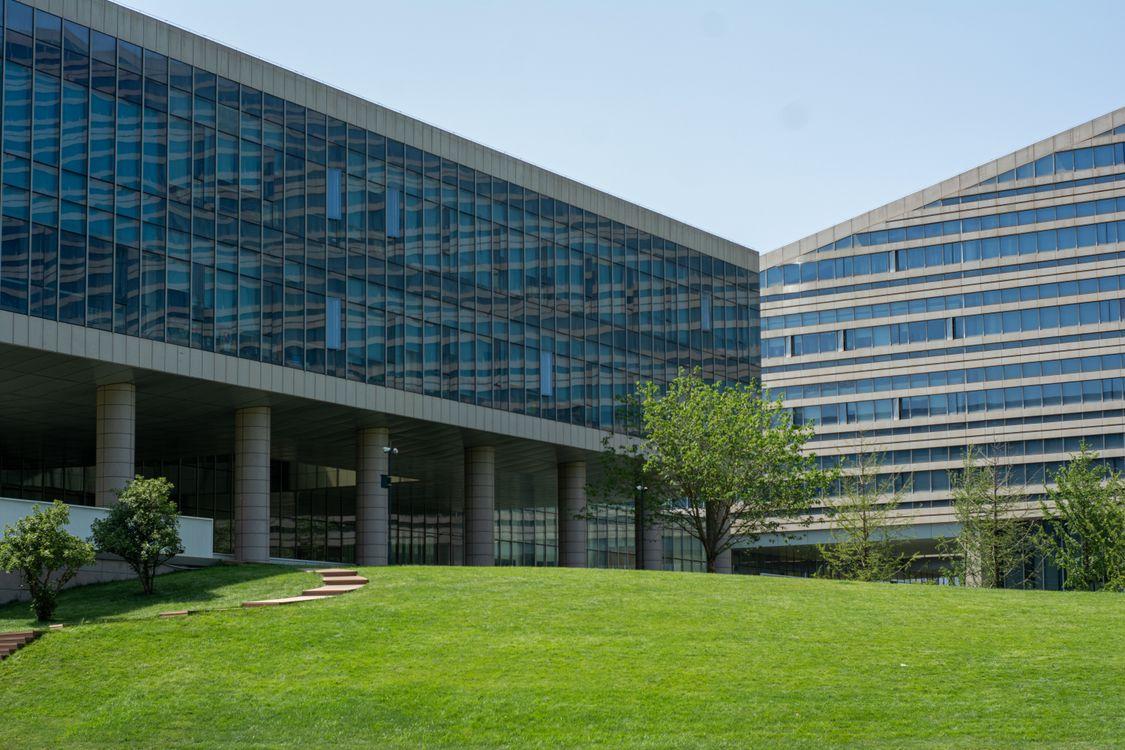
An office campus can look well maintained and still create frustration if landscaping equipment repeatedly interrupts calls or tenant meetings. The problem is often poor timing or unclear service zones. Equipment may also operate beside occupied spaces longer than necessary.
At Pacific Island Landscape LLC, we view workday noise as an operating constraint that should be addressed in the maintenance scope. It cannot be managed by asking crews to “be quiet” while assigning the same equipment-intensive work at the same time. A practical plan identifies where noise is most disruptive, then sequences the work around tenant activity without neglecting the landscape.
Reducing avoidable interruption can support a professional tenant experience. Landscaping does not determine lease renewals, but office park managers can treat grounds scheduling as a measurable part of property operations.
Start With a Campus Noise Map
Corporate office landscaping on Oahu should begin with a map that connects landscape zones to building use. A site plan may show lawns and planting beds, but it may not identify a conference room beside a hedge line. Those operating details affect when a task should occur.
The property manager can mark tenant entrances and occupied perimeter rooms. Areas near meeting spaces may need narrow service windows. Parking edges may allow more flexibility unless work affects vehicle movement.
Sound behavior also changes across a campus. Hard façades can reflect equipment noise, while enclosed courtyards may concentrate it. The map is not an acoustical study. It shows the contractor where ordinary work is most likely to interrupt business activity.
The answers will vary by building. A fixed schedule copied from another property is not a substitute for site-specific coordination.
Separate Noise-Intensive Work From Quiet Detail Work
Not every task needs the same scheduling restriction. Mowing and mechanical blowing may produce noticeable equipment sound. Powered hedge work can create intermittent peaks. Hand weeding or a visual irrigation check may be less disruptive, although the actual condition and equipment still matter.
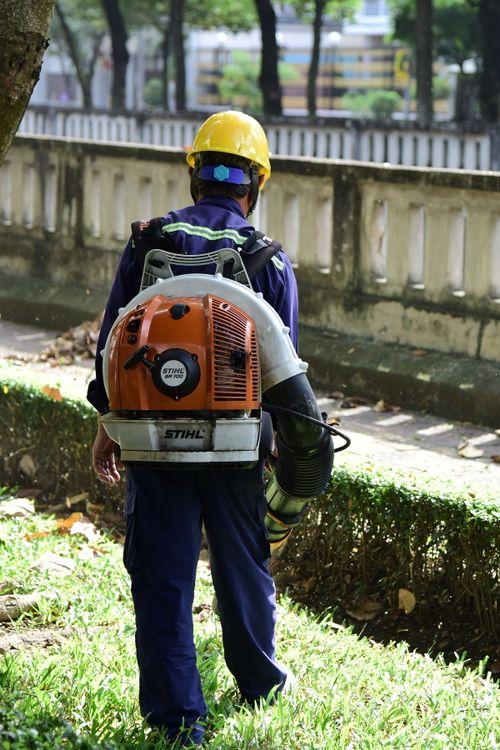
Equipment-intensive work should be assigned to defined zones and approved service windows.
A useful scope groups work by expected disruption instead of treating the entire visit as one block. Crews can complete louder tasks during the approved window. Detail work can continue after that window where site conditions allow. This method keeps the property moving through its maintenance cycle without placing every task beside occupied offices at once.
These categories are planning tools, not equipment sound ratings. Actual noise depends on the machine and its condition. Operating method also affects the result. If the property requires measured sound data, that work should be handled through a defined assessment rather than an informal judgment.
Build the Service Window Around Real Tenant Activity
“Early morning” is not precise enough for business park landscaping. One tenant may start before sunrise. Another may conduct video calls with an overseas team. The property manager should define approved work windows by zone and update them when tenant use changes.
A service-window plan should address recurring operations and known exceptions. A tenant meeting may justify a temporary routing change. An outdoor event can affect access for an entire day. These changes should reach the contractor before the crew arrives.
The plan should state who can approve an exception. A tenant request made directly to a crew member can conflict with property-wide priorities. Office park managers reduce confusion by assigning one authorized contact for schedule changes.
Complaints should be recorded by date and approximate time. The record should name the zone and observed task. This allows the manager to compare the concern with the approved route and make a specific adjustment when the pattern is clear.
Use Distance and Sequence as Noise Controls
Noise control does not depend only on purchasing different equipment. Work order and physical distance can change who is affected. The Occupational Safety and Health Administration identifies low-noise equipment selection and proper maintenance as engineering controls. OSHA also recognizes scheduling and distance as administrative controls.
For an office campus, those principles can inform the route. A crew might begin equipment-intensive work away from occupied entrances, then move toward sensitive areas during approved windows. Parking-lot islands can be grouped to avoid repeated equipment starts near the same tenant suite.
This planning does not replace worker protection. OSHA identifies noise as a landscape-maintenance hazard and includes hearing protection among the possible controls for power-equipment work. Tenant comfort and employee safety are separate responsibilities. Property managers can review current OSHA landscaping guidance when developing contractor requirements.
Equipment condition belongs in the scope as well. The agreement can require serviceable equipment without inventing a decibel limit that no one is prepared to measure. If the property wants battery-powered or lower-noise equipment considered, it should state that requirement during bidding. The contractor must confirm that the equipment fits the workload. Pacific Island Landscape LLC reviews proposed methods against the actual property scope before making commitments.
Manufacturer sound information does not automatically predict what a tenant will hear through a window. Distance and surrounding surfaces affect transmission. A formal concern may require qualified measurement.
Preserve Appearance During Low-Noise Periods
Reducing equipment use during core office hours does not mean the landscape must sit untouched. A route can reserve lower-disruption tasks for occupied periods. Hand pickup may address visible debris near entries. Crews can also document irrigation issues for later authorization.
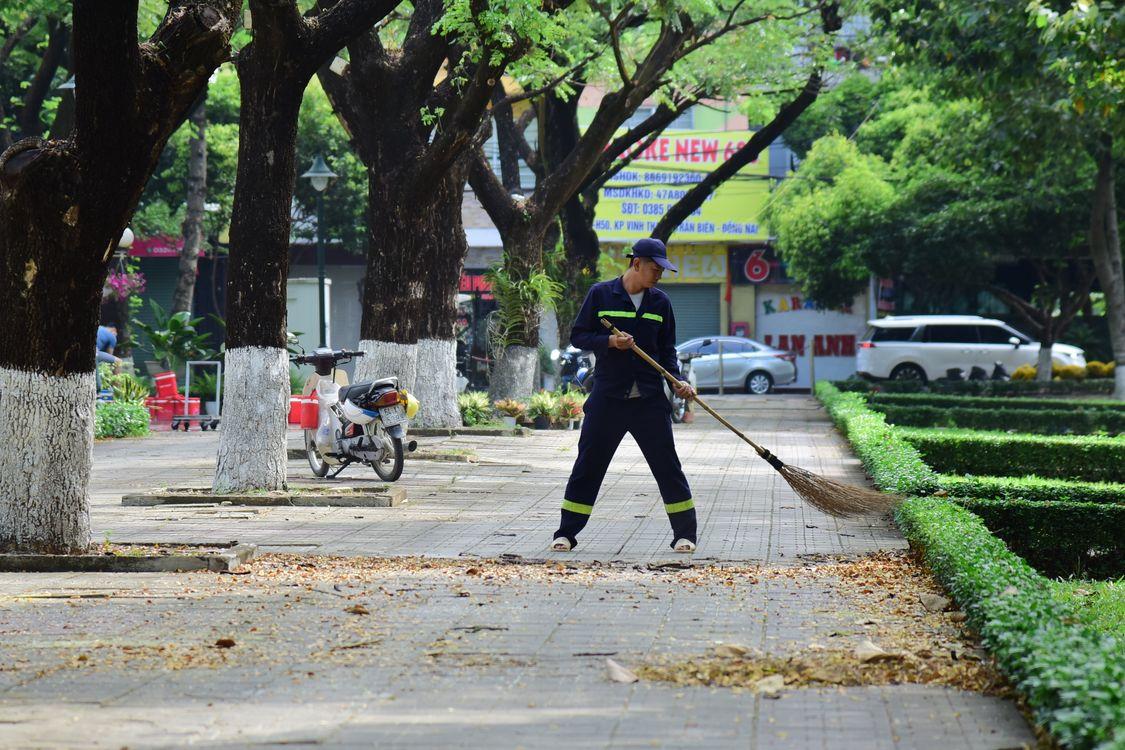
Lower-disruption detail work may help maintain occupied areas outside power-equipment windows.
Manual methods can require different labor time and may not be suitable for every area. The property manager should not expect an equipment-heavy scope to become manual without reviewing the production requirements. The contractor should state which changes require approval.
Confirm Hawaii Noise Requirements for the Actual Work
The Hawaiʻi Department of Health Noise Section addresses regulated excessive noise from sources that include construction activity and stationary mechanical equipment. Routine grounds maintenance should not automatically be classified as construction, and every office property should not be treated as if it has the same zoning conditions.
Before unusual work begins, the responsible party should confirm whether the equipment or activity triggers a permit requirement. This is especially relevant when a landscape project expands beyond recurring maintenance into construction-related work. The current Hawaiʻi Department of Health Noise Section is the appropriate starting point for regulatory questions. A contractor’s preferred schedule does not override applicable rules or property restrictions.
Discuss Your Office Campus Maintenance Requirements With Us
We provide commercial landscaping and maintenance for Oahu properties, including office buildings and industrial parks. Our work can include plant maintenance and irrigation setup when those items are included in the approved scope. We also operate a private landscape nursery in Kapolei, which can reduce reliance on off-island sourcing when the requested material is available. Plant quantities and schedules must be confirmed before we commit to replacement work.
Contact Pacific Island Landscape LLC to request an estimate for corporate office landscaping on Oahu or business park landscaping. Tell us about the property’s occupied hours and its sensitive work areas. We can review the requested service plan, then document the scope we are able to support.

.svg)