.svg)
Landscape installation is often scheduled near the end of a commercial build because it is one of the final visible finishes. That position can make the work vulnerable to delays created elsewhere on the site. Unfinished grading can block irrigation. Active paving may eliminate material access. A late plant substitution can reopen design review just as the developer is preparing for final inspections.
At Pacific Island Landscape LLC, we treat a commercial landscaping timeline on Oahu as part of the construction schedule, not as an isolated delivery date. We identify the releases that must occur before fieldwork begins. We also separate installation from plant establishment and closeout documentation. This approach cannot guarantee a Certificate of Occupancy, which remains subject to the approved plans and the authorities responsible for permit closure. It does make the landscape workstream visible before it becomes a late-project problem.
A Certificate of Occupancy Is Not a Landscape Deliverable
The landscape contractor does not issue a Certificate of Occupancy or decide whether one will be granted. The Honolulu Department of Planning and Permitting inspection guidance says every building permit requires at least one type of inspection. It also states that incomplete inspections can prevent permit closure and, when required, a Certificate of Occupancy may not be issued.
Whether landscaping affects that path depends on the project. The approved landscape plans may include required planting. Civil documents may assign permanent stabilization or post-construction stormwater measures to landscaped areas. Separate permit conditions can create additional obligations. The architect and civil engineer should identify the controlling documents. The permit coordinator can confirm required reviews with the applicable inspector. Our role is to coordinate installation with those requirements.
| Closeout question | Landscape interface | Decision owner |
|---|---|---|
| Is planting shown on an approved plan? | Installation should match the approved layout or an accepted revision | Design professional and approving authority |
| Are landscaped areas part of permanent stabilization? | Coverage and establishment may affect stormwater closeout | ESCP coordinator or other designated professional |
| Does the project contain post-construction BMPs? | Planting or soil media may be part of an approved system | CWPPP and applicable inspector |
| Is a substitution proposed? | Species or size changes may require written acceptance | Landscape architect or designated reviewer |
Build the Landscape Schedule Backward From Inspections
An opening date is not detailed enough to manage new build landscaping. The useful starting point is the inspection or turnover milestone that depends on exterior completion. From that point, the team can work backward through establishment, installation, procurement, and site release. The sequence should appear in the master schedule with named owners for each release.
We avoid assigning a universal number of days to these phases. A hydro-mulched slope does not establish on the same path as container planting. A small entry bed does not require the access needed for large-format material. Weather and irrigation availability can also change the duration. The developer needs a project-specific sequence supported by the approved drawings and actual site conditions.
| Schedule gate | What must be confirmed | Risk if unresolved |
|---|---|---|
| Approved scope | Current landscape plan and accepted alternates | Crews may install against a superseded document |
| Procurement release | Current plant schedule; quantities and approved sizes | Required material may not be available when the site opens |
| Field release | Final grades and accessible planting areas | Rework may damage installed irrigation or plants |
| Establishment release | Operational water source and accepted controller settings | Newly installed material may not receive planned irrigation |
| Closeout release | Punch items and required landscape records | Exterior work may remain open during permit turnover |
Define Site Readiness in Writing
“Ready for landscaping” should have a written definition. If the landscape crew arrives while underground utilities are still changing, excavation may need to stop. If curbs are incomplete, the finished bed line may not exist. If construction storage occupies the planting area, delivered material may have nowhere appropriate to stage.
Before mobilization, the superintendent and landscape contractor should review access by work area. Finished grades should be released by the responsible party. Irrigation points of connection and sleeves should be located. Hardscape edges that control soil elevation should be complete where required for the installation. The team should also identify active haul routes so landscape materials are not placed in the path of other trades.

A release log can be short. It should name the area and the person authorizing access. The approved drawing revision should also be recorded. Photos can document the condition at handoff. If another trade later changes the grade or damages installed work, that record supports a factual decision about responsibility.
Separate Plant Procurement From Site Mobilization
Plant procurement should begin before the field is ready, but purchasing should not move ahead of design approval. The construction team needs to reconcile botanical names and specified sizes against the current plan. Quantities should reflect the approved revision. Any proposed substitution should be routed through the project’s acceptance process before it reaches the truck.
Our private landscape nursery in Kapolei provides a local sourcing option for material that is available and suitable for the project. It can reduce reliance on trans-Pacific shipments for confirmed nursery inventory. It does not mean every specified species or quantity is automatically on hand. We confirm availability and applicable sizes before committing to a delivery date.
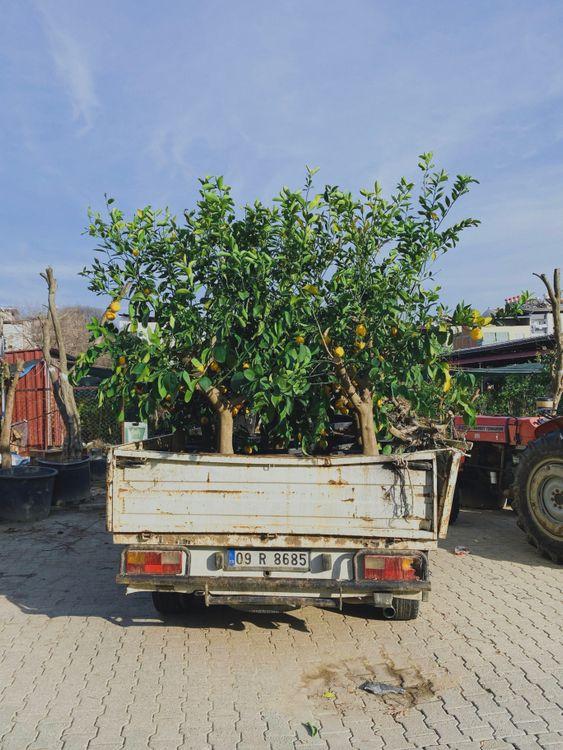
Delivery planning should account for unloading access and on-site storage limits. Large-format plants require suitable handling and a clear route to the installation area. If a delivery must be split by phase, the schedule should show which material belongs to each release. This prevents a general “plants delivered” milestone from hiding an incomplete area.
Treat Irrigation Startup as Its Own Milestone
An irrigation system can appear physically complete while still being unavailable for landscape establishment. The permanent water source may not be released. Controller power or programming may remain unresolved. A buried valve could be inaccessible after another trade changes the finish grade.
We recommend a witnessed startup before the installation team depends on the system. Each relevant zone should operate under site conditions. The review should identify damaged components and coverage conflicts. Required corrective work should be assigned rather than absorbed into an assumed landscape completion date.
Irrigation responsibility must also be clear. The contractor who installs a system may not supply water or electrical service. Final design acceptance may belong to another party. These interfaces should appear in the responsibility matrix so the landscape schedule does not carry work controlled by another contractor.
Understand When Stabilization Affects Permit Closeout
Stormwater requirements are one area where late landscape work can affect a commercial project’s closing sequence. Honolulu’s Rules Relating to Water Quality state that permanent stabilization must be in place before final approval and permit closure for covered site work. The rules specify that seeded areas must have grass or vegetation covering at least 90 percent of disturbed soil.
The city’s current stormwater inspection guidance also says construction BMPs cannot be removed until a lot is 90 percent permanently stabilized. For Priority A/B1/B2 projects subject to final post-construction BMP inspection, the guidance says landscaping must be 90 percent established before that inspection is scheduled.
These thresholds do not apply to every planting bed on every commercial project in the same way. The designated ESCP coordinator and CWPPP should determine applicability with the inspector. Installation alone may not satisfy an establishment requirement. If vegetation coverage is part of closeout, the master schedule needs time for inspection and corrective work.
Control Late Changes Through a Single Install Package
The field team should receive one coordinated package rather than instructions spread across meeting notes. That package can identify the approved drawing revision and accepted plant schedule. It can also record irrigation responsibility, released work areas, inspection-sensitive items, and exclusions from the landscape contract.
Late changes should enter through a documented review. Moving a tree may affect underground utilities or sightlines. Changing a planting area can affect irrigation coverage. A substitution may differ in mature size. The party with design authority should approve the change before installation, while the project team records cost and schedule effects separately.
Close the Workstream Before Calling It Complete
Substantial visual completion is not the same as project closeout. The landscape punch should be performed against the contracted scope and approved documents. Open items should have owners and target dates. Relevant photos can record completed areas before construction barriers are removed or tenant activity begins.
The handoff package depends on the contract. It may include approved substitutions and irrigation information. Maintenance responsibility should be identified separately. Permit-specific certifications must come from the qualified professional assigned by the project, unless that duty is explicitly within the landscape contractor’s authority and scope.
Our commercial landscape installation services can be coordinated around approved plans and documented site releases. Pacific Island Landscape LLC provides installation work on Oahu that includes plants, trees, shrubs, and tropical flowers. Our published capabilities also include irrigation setup, drainage, sod plugs, and hydro mulch. We confirm the project scope and material availability before scheduling so developers can place the landscape workstream accurately within the larger closeout plan.

.svg)