.svg)
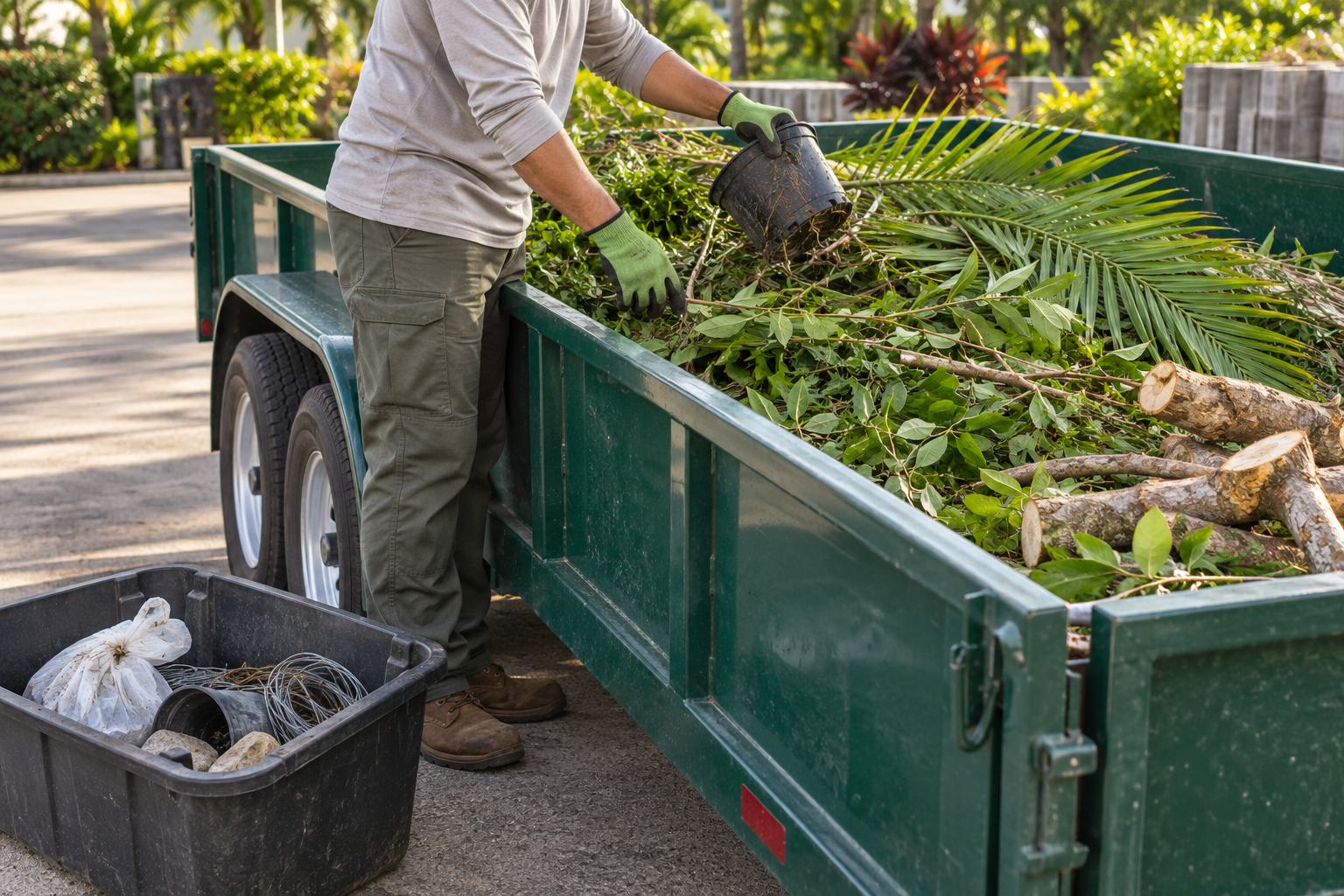
The volume of green waste generated by a commercial property on Oahu is massive. Routine maintenance, structural canopy pruning, and late-summer storms produce heavy piles of palm fronds and branch trimmings. Property managers frequently assume that all exterior debris can simply be tossed into the same municipal pickup or commercial roll-off bin. That assumption leads directly to rejected loads, expensive disposal fines, and severe municipal compliance failures.
The City and County of Honolulu enforces strict regulations regarding commercial green waste disposal. Facilities like Hawaiian Earth Products process this material into compost, and they cannot accept contaminated loads. Furthermore, the spread of the Coconut Rhinoceros Beetle has triggered rigorous state agricultural quarantines regarding how palm material is transported. Pacific Island Landscape manages heavy debris hauling for commercial properties. We separate standard organic material from heavy excavation waste to ensure your property remains compliant. This guide explains exactly how to stage and sort your landscape debris before the removal truck ever arrives.
Distinguishing Green Waste from Heavy Excavation
A common operational error occurs when a property manager orders a green waste bin for a landscape renovation project. Landscaping crews begin removing old shrubs, but they also dig up the surrounding dirt and rocks. They throw the entire root ball, heavy clay soil, and broken concrete curbing into the green waste container.
This creates an immediate logistical failure. True green waste consists strictly of vegetative material. Grass clippings, hedge trimmings, leaves, and small branches belong in this category. Excavated soil, heavy rocks, and rooted tree stumps do not.
When a commercial disposal facility receives a load mixed with dirt and concrete, the heavy inorganic material damages their expensive tub grinders and composting equipment. The facility will reject the entire load at the gate. The hauling truck must then reroute the material to a general landfill, which charges significantly higher tipping fees. We prevent this financial waste by utilizing separate heavy-demolition bins for soil excavation and dedicated green-waste trucks for organic plant material.
CRB Compliance and Breeding Material
Managing green waste on Oahu requires strict adherence to pest control protocols. The Coconut Rhinoceros Beetle (CRB) utilizes decaying organic matter as its primary breeding ground. A large pile of palm fronds or damp mulch left sitting behind a commercial retail center serves as a perfect incubator for CRB larvae.
Transporting infested green waste in an open truck is the primary method this invasive pest spreads to new neighborhoods. State agricultural guidelines dictate exactly how this material must be handled.
Our crews isolate high-risk host material immediately. We do not allow palm trunks or heavy mulch to sit dormant on your property. We process the material according to best management practices. This often involves chipping the wood to a specific diameter to physically destroy any existing larvae before the truck leaves your facility. We transport this processed material securely to approved hot-composting facilities capable of neutralizing the pest completely.
Contamination During Construction and Renovations
Commercial landscape installations frequently coincide with larger building renovations. Multiple trades operate on the property simultaneously. General contractors, electricians, and plumbers often view an open green waste bin as a convenient place to throw their own trash.
They toss cardboard boxes, plastic PVC pipes, metal wire, and employee lunch trash into the landscape debris pile. This cross-contamination ruins the entire load. Composting facilities cannot process plastic or metal.
We protect our commercial clients from these contamination fees by strictly managing our staging areas. When Pacific Island Landscape executes a large-scale installation, we coordinate directly with the general contractor. We establish clear boundaries for our organic debris piles. We monitor the loads continuously to ensure no construction trash enters the green waste stream. If your property is undergoing a phased renovation, keeping these waste streams separated is critical to keeping your project on budget.
Scheduled Sweeps vs. On-Demand Hauling
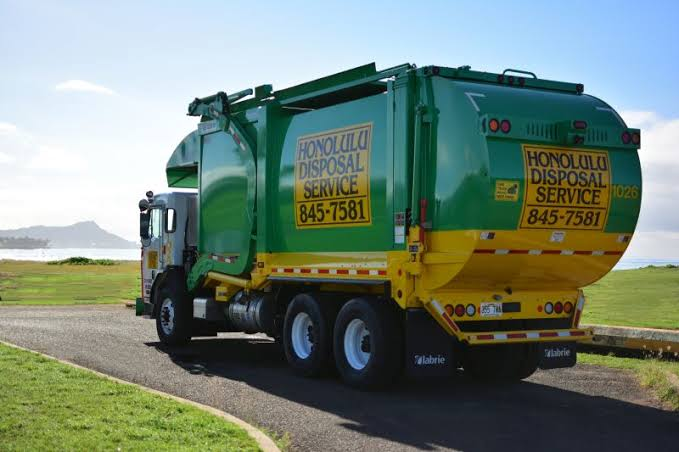
Relying on a municipal pickup schedule is entirely insufficient for a large commercial property. The city offers limited curbside green waste collection, and those services are strictly designed for low-volume residential neighborhoods.
An industrial park or a luxury resort cannot leave massive piles of palm fronds sitting in the parking lot waiting for a monthly pickup. Piled debris blocks delivery trucks from accessing loading docks. It consumes valuable parking spaces required by retail tenants. Dried vegetation pressed against a commercial building also creates a severe fire hazard.
We provide high-frequency, scheduled debris removal tailored to your specific operational volume. We do not wait for the debris to become a logistical obstacle. Our maintenance routing includes immediate extraction of all generated green waste at the end of every service day. Your property remains visually pristine and operationally clear.
| Waste Category | Acceptable Material | Prohibited Contaminants |
|---|---|---|
| Standard Green Waste | Grass clippings, leaves, hedge trimmings, small branches | Plastic bags, cardboard, metal wire, PVC irrigation pipe |
| Heavy Excavation | Soil, rocks, gravel, broken concrete curbing | Mixed organic plant material, toxic chemicals |
| CRB Host Material | Palm fronds, palm trunks, decaying mulch | Must be chipped and transported to approved hot-composting sites |
Request a Commercial Debris Review
Do not allow improper waste sorting to trigger municipal fines or spread invasive pests across your property. Your commercial facility requires a landscape partner that understands local disposal regulations and operates with strict logistical discipline.
Pacific Island Landscape holds Hawaii contractor license CT-35972. We operate the heavy trucks and chipping equipment necessary to manage massive volumes of commercial green waste efficiently. We invite property managers, facilities directors, and general contractors to schedule a site evaluation. Please submit your property details through our contact page. Our estimating team will design a compliant commercial debris removal program that keeps your property clean and your budget predictable.
.svg)